
Understanding the Impact of McLennan County Weather on Your Garden Design
Introduction to McLennan County Weather
Gardening in McLennan County, Texas, presents unique challenges and opportunities due to its distinctive weather patterns. Understanding these local conditions is crucial for designing a garden that thrives year-round. From scorching summers to unpredictable winters, McLennan County's climate demands careful planning and plant selection.
The Impact of Heat
Summers in McLennan County are known for their intense heat, often reaching over 100°F. This high temperature can be challenging for many plants. When planning your garden, it's essential to choose heat-tolerant species and consider implementing shade structures. Utilizing mulch can also help retain soil moisture and protect roots from the sun's harsh rays.
In addition to selecting heat-resistant plants, proper watering techniques are vital. Early morning or late evening watering can minimize evaporation, ensuring your garden receives the hydration it needs.
Dealing with Drought
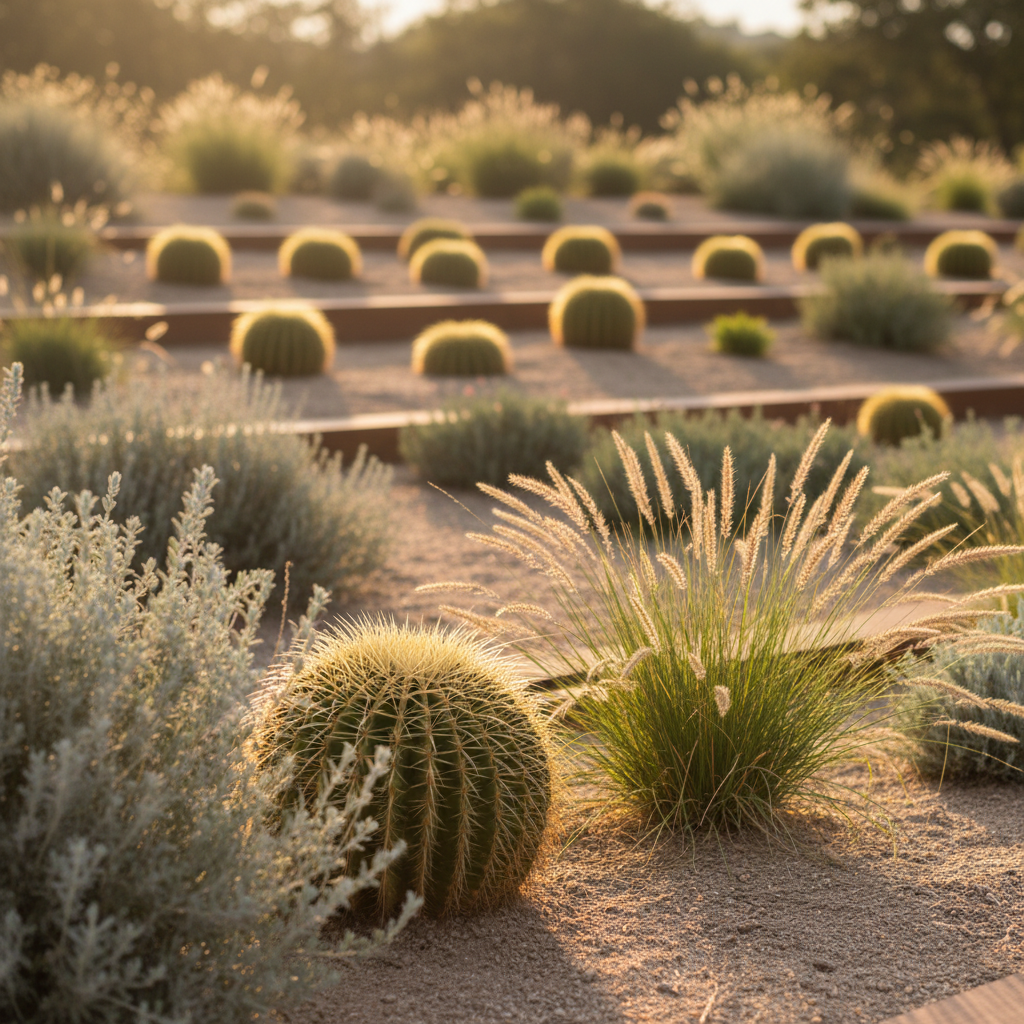
Periods of drought are common in McLennan County, making water conservation a priority. Incorporating drought-resistant plants and implementing efficient irrigation systems, such as drip irrigation, can significantly reduce water usage while maintaining a lush garden.
Cold Winters and Frost
While winters in McLennan County are generally mild, occasional cold snaps and frost can occur. To protect your garden, consider using frost cloths or cold frames. Selecting frost-resistant plants and planting them in sheltered areas can also mitigate potential damage.
Planning for these colder months involves understanding the microclimates within your garden. South-facing walls and structures can provide additional warmth and protection during unexpected frosts.
Choosing the Right Plants
Adapting to McLennan County's weather means selecting plants that can withstand both heat and occasional cold. Native plants are a great choice, as they are naturally adapted to the local climate. Some popular choices include Texas sage, lantana, and yucca.
Wind Considerations
Wind can be another factor impacting your garden design. Strong gusts can damage delicate plants and erode soil. Incorporating windbreaks, such as hedges or fences, can provide shelter and stability. Additionally, selecting sturdy plants that can tolerate wind will support a resilient garden.
Consider the placement of taller plants or structures to buffer smaller plants from wind exposure, ensuring an overall balanced and protected garden environment.
Conclusion
Understanding the impact of McLennan County weather on your garden design is essential for creating a thriving outdoor space. By choosing the right plants, implementing smart watering strategies, and protecting your garden from extreme conditions, you can enjoy a beautiful and sustainable garden year-round.