
How to Prepare Your Lawn for the Hot Texas Summer
Understanding the Texas Climate
Preparing your lawn for the hot Texas summer requires understanding the unique climate challenges. With scorching temperatures and minimal rainfall, lawns can quickly become stressed. It's crucial to take preventive measures to ensure your grass remains vibrant and healthy throughout the season.

Selecting the Right Grass Type
Choosing the appropriate grass variety is essential for a resilient lawn. Warm-season grasses such as Bermuda, St. Augustine, and Zoysia are well-suited for Texas heat. These grasses thrive in high temperatures and have deep root systems that help them withstand drought conditions.
Watering Wisely
Water conservation is key during the summer months. It's best to water deeply but infrequently. Aim to water your lawn early in the morning to minimize evaporation and allow the soil to absorb moisture effectively. A general rule is to provide about 1 inch of water per week, including rainfall.
Implementing Proper Mowing Techniques
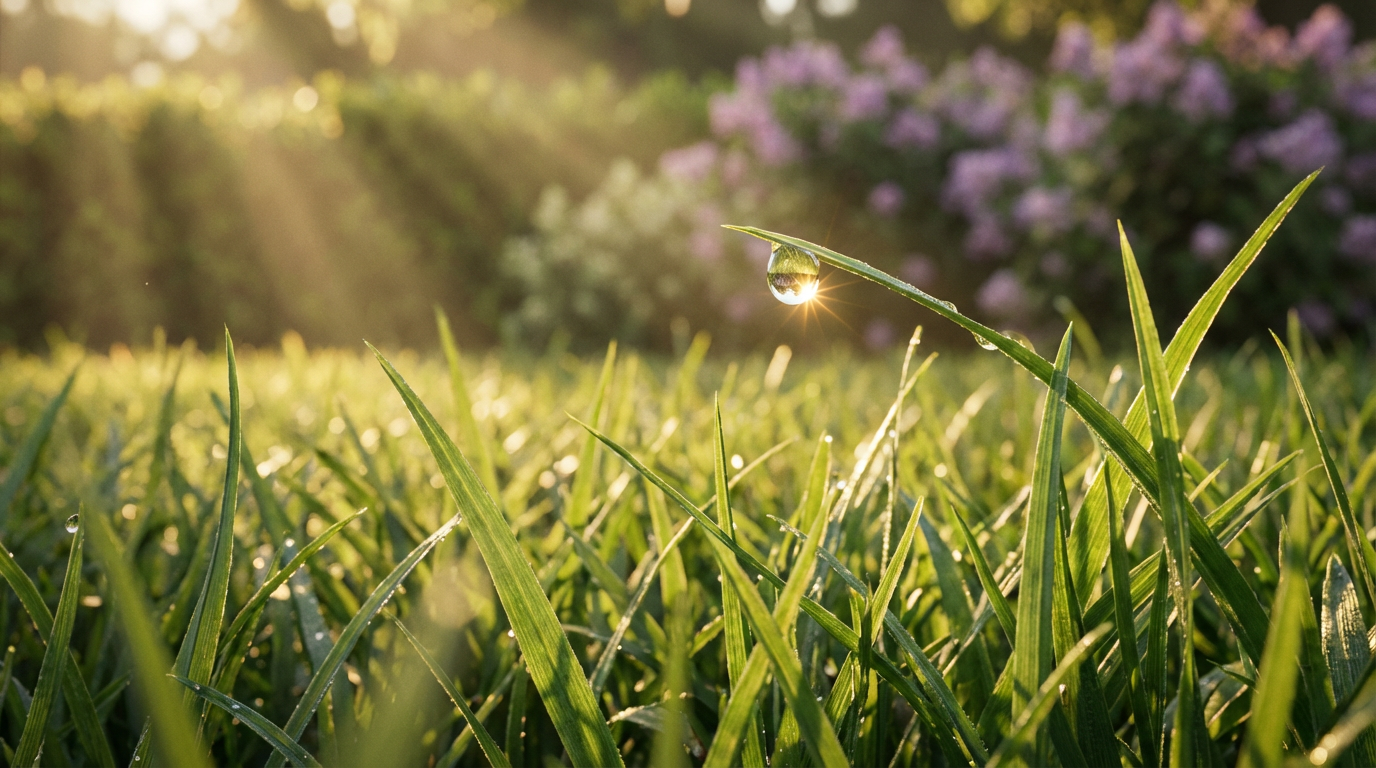
Mowing your lawn correctly is vital for maintaining its health. Set your mower blades higher during the summer to allow grass to grow taller. This provides shade to the soil, reducing evaporation and protecting root systems. Avoid cutting more than one-third of the grass blade at a time to prevent stress.
Fertilizing for Growth
Fertilizing your lawn helps it stay green and lush. Use a slow-release fertilizer that contains essential nutrients like nitrogen, phosphorus, and potassium. Apply fertilizer in late spring or early summer to give your grass the strength it needs to withstand the summer heat.
Dealing with Weeds and Pests
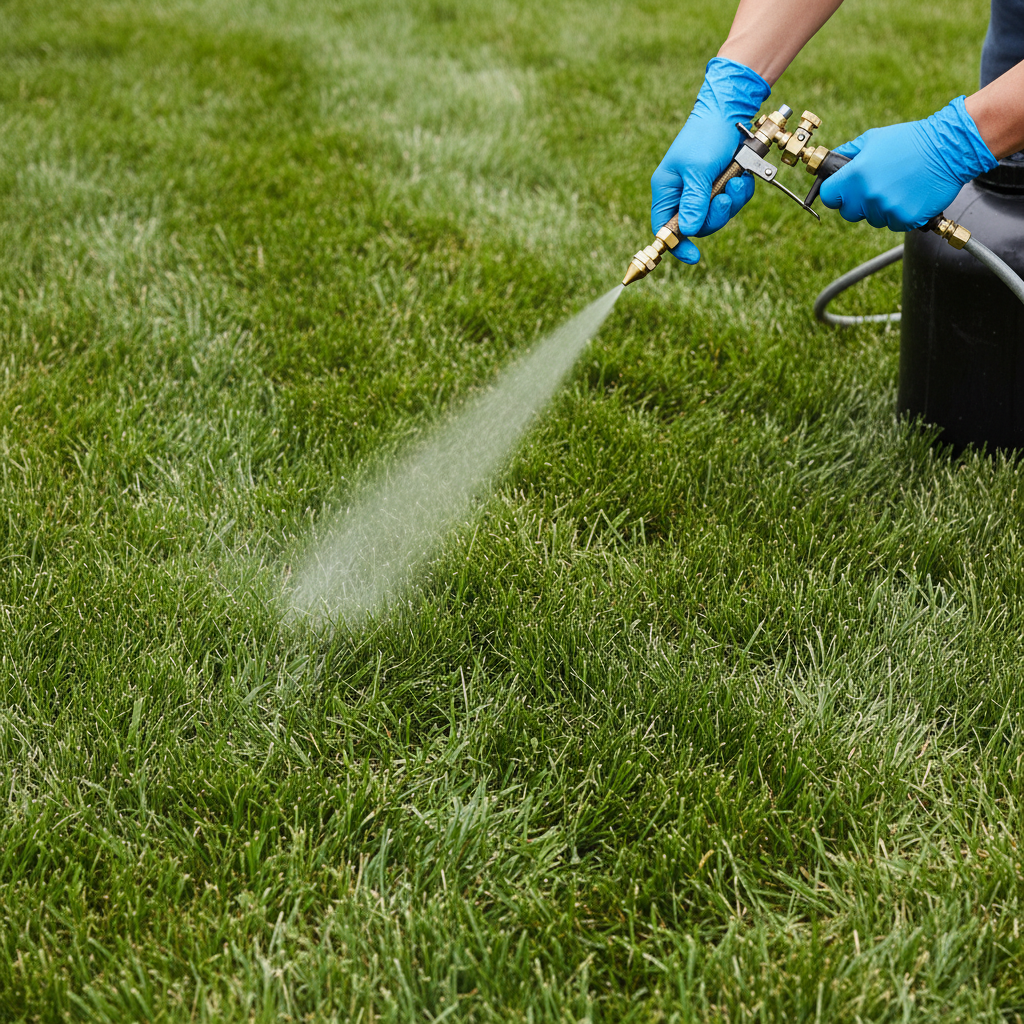
Weeds and pests can quickly take over during the summer. Regularly inspect your lawn and apply appropriate herbicides to control weed growth. Additionally, keep an eye out for common pests like grubs and chinch bugs, and treat infestations promptly to prevent damage.
Mulching and Aerating
Mulching is a great way to conserve moisture and regulate soil temperature. Spread a thin layer of organic mulch around the base of your plants and garden beds. Aerating your lawn in late spring can also improve air circulation and nutrient absorption, promoting stronger root growth.
Monitoring and Maintenance
Consistent monitoring and maintenance are crucial for a healthy lawn. Regularly check for signs of stress, such as brown patches or wilting. Address any issues promptly to prevent them from worsening. With dedicated care, your lawn can thrive even in the hottest Texas summer.