
DIY Tree Pruning: Expert Tips for Safe and Effective Results
Pruning your trees not only enhances their appearance but also promotes healthy growth and prevents potential hazards. However, DIY tree pruning requires some expertise to ensure it's done safely and effectively. Here are expert tips to guide you through the process.
Understanding the Basics of Tree Pruning
Before you begin, it's crucial to understand why pruning is necessary. Removing dead or diseased branches can prevent decay and improve air circulation. This practice also allows more sunlight to reach the remaining branches, enhancing the overall health of the tree.

Different trees require different pruning techniques. For example, fruit trees benefit from regular pruning to increase yield, while ornamental trees may need careful shaping to maintain their aesthetic appeal. Knowing the needs of your specific tree type is essential.
When to Prune Your Trees
The timing of pruning can significantly impact its effectiveness. Generally, late winter or early spring is the best time as trees are dormant, reducing stress and the risk of disease. However, some trees, like flowering species, might need pruning right after they bloom.
Always avoid pruning in late summer or fall, as this can stimulate new growth that's vulnerable to frost damage. Keeping a pruning schedule based on your tree's specific needs will ensure optimal health.
Essential Tools for Pruning
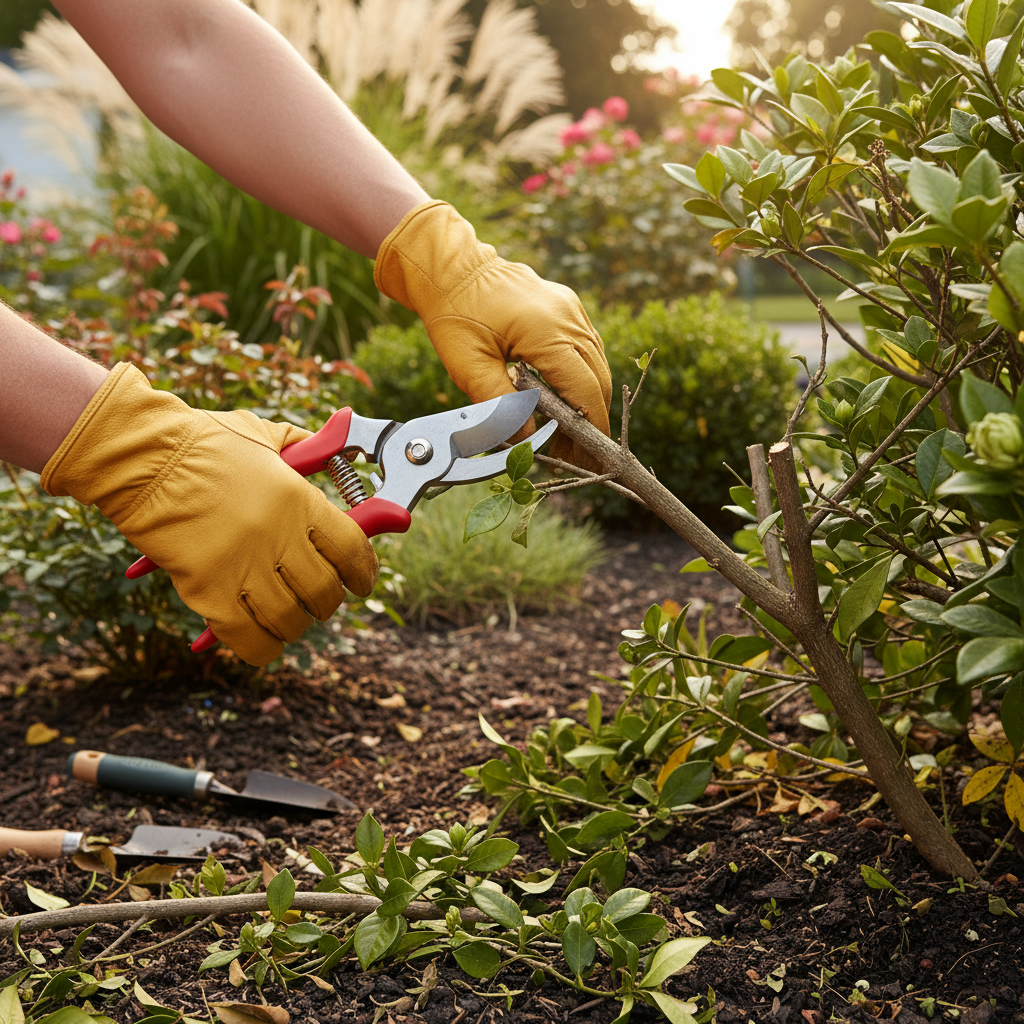
Having the right tools is crucial for effective pruning. Basic tools include hand pruners for cutting small branches, loppers for thicker branches, and a pruning saw for larger limbs. Ensure your tools are sharp and clean to make precise cuts and prevent the spread of disease.
For safety, wear protective gear such as gloves and safety goggles. If you're working on taller trees, a sturdy ladder and possibly a pole pruner will be necessary. Always prioritize safety when using any equipment.
Pruning Techniques for Best Results
Proper technique is key to successful pruning. Here are some essential tips:
- Start with dead or diseased branches: Remove these first to prevent the spread of decay.
- Focus on shape and structure: Cut branches at a 45-degree angle, just above a bud or lateral branch, to encourage healthy growth.
- Avoid over-pruning: Removing more than 25% of the tree's foliage at once can stress the tree.
Regularly stepping back to assess your work can help maintain the tree's natural shape and balance. Remember, less is more when it comes to pruning.
Safety Precautions
Safety should always be your top priority. Here are some precautions:
- Check the weather: Avoid pruning in wet or windy conditions to prevent accidents.
- Be aware of power lines: Keep a safe distance from any overhead wires.
- Have a partner: If possible, have someone nearby to assist and ensure your safety.
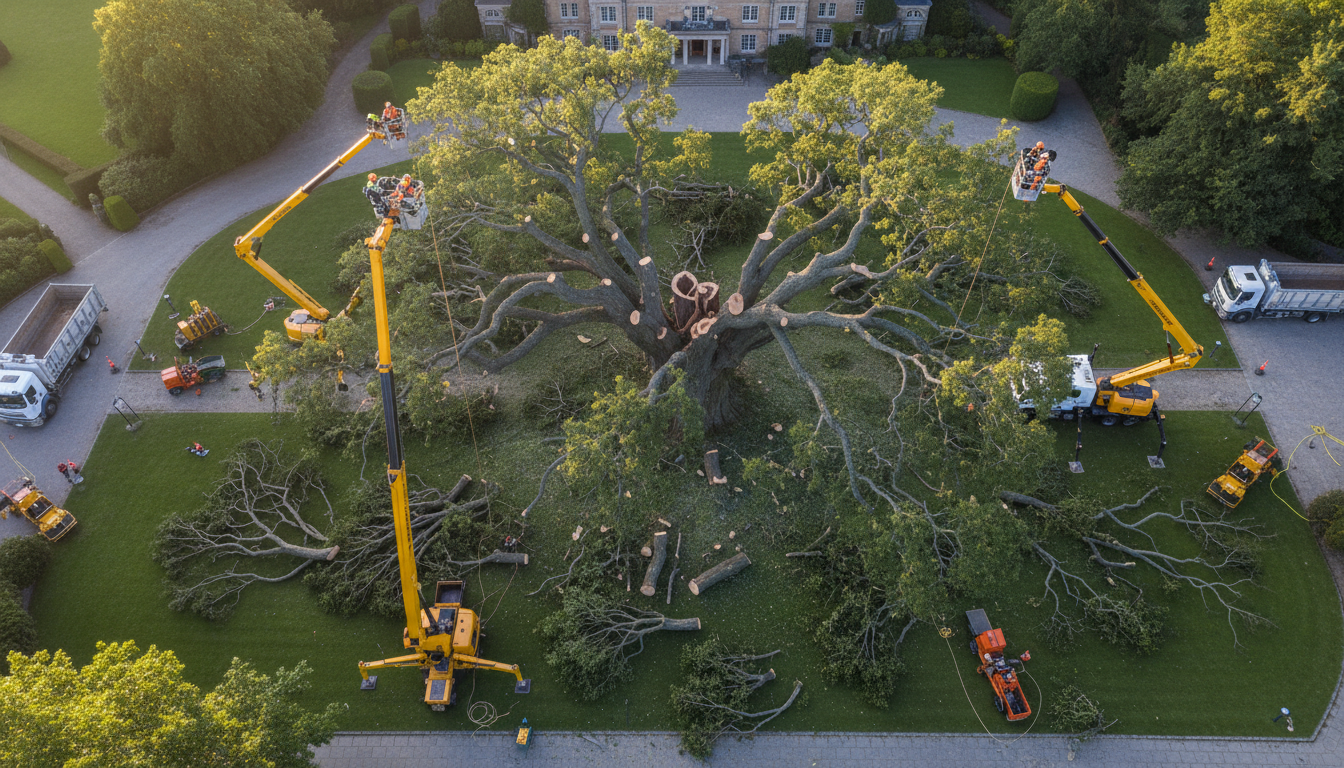
If the job seems too large or dangerous, don't hesitate to call a professional arborist. They have the expertise and equipment to handle complex pruning tasks safely.
By following these expert tips, you can achieve safe and effective results with your DIY tree pruning. Not only will your trees look better, but they'll also be healthier and less prone to disease, making your garden a more beautiful and safe place.