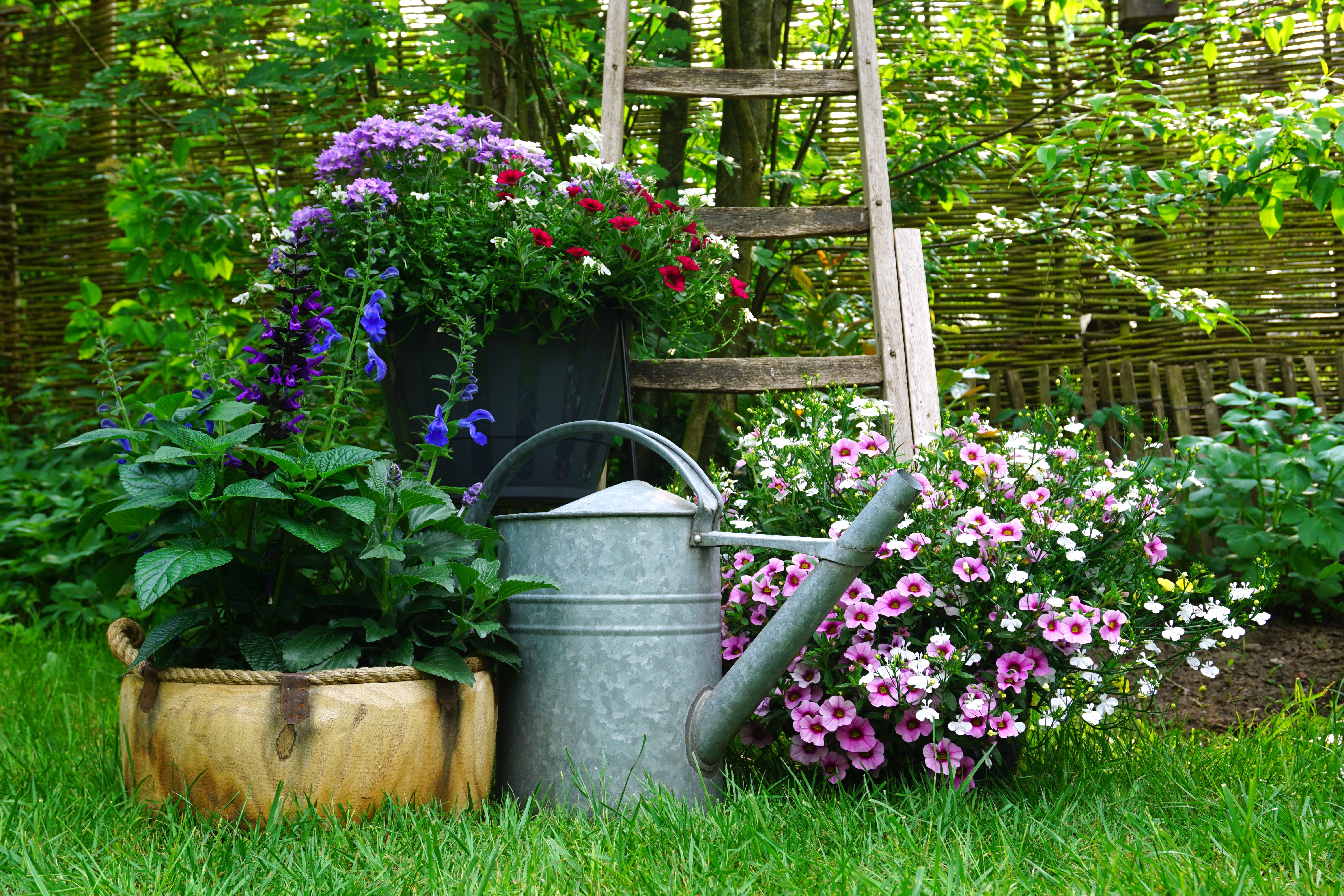
Common Myths About Eco-Friendly Landscaping: Debunked
Understanding Eco-Friendly Landscaping
Eco-friendly landscaping is gaining popularity as more people recognize the importance of sustainable practices. However, several myths persist that can deter homeowners from adopting these methods. In this post, we'll debunk some of the most common misconceptions.
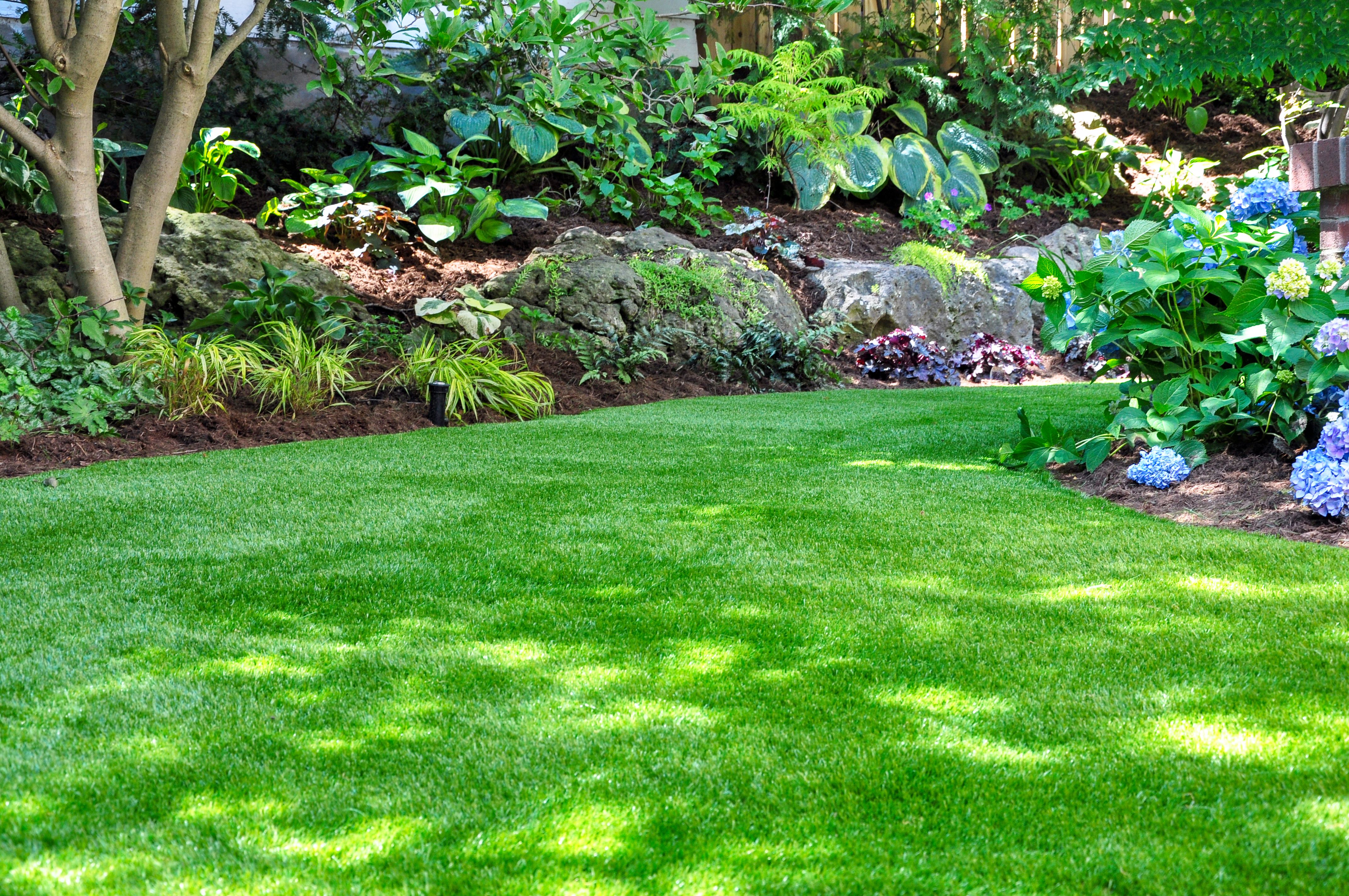
Myth 1: Eco-Friendly Landscaping Is Too Expensive
A common belief is that sustainable landscaping requires a significant financial investment. While there may be upfront costs, the long-term savings can be substantial. Eco-friendly practices often lead to reduced water usage and lower maintenance costs. Over time, these savings can offset initial expenses.
Moreover, many sustainable techniques are affordable. For instance, using native plants can reduce the need for fertilizers and pesticides, which saves money and benefits the environment.
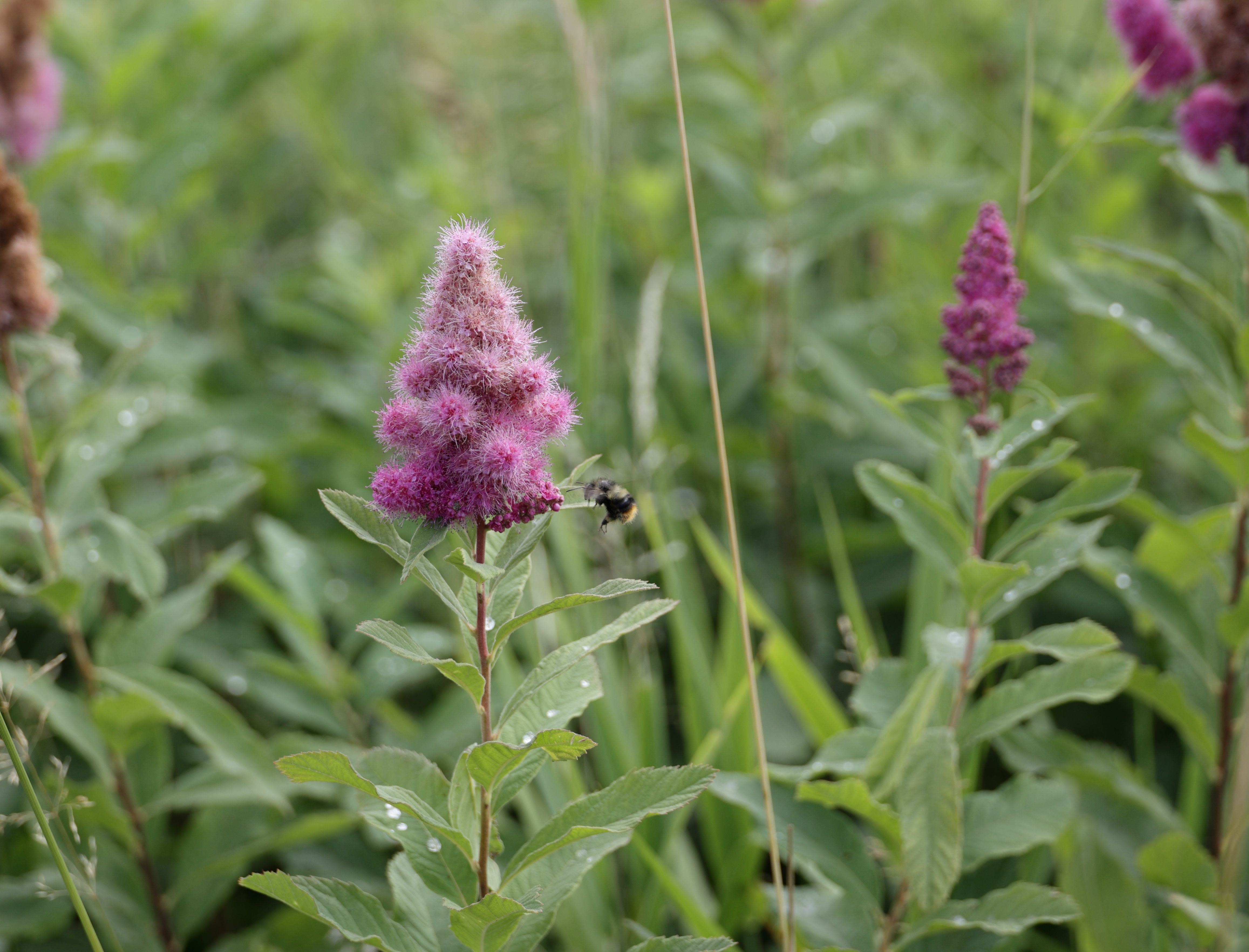
Myth 2: It's Only About Plant Selection
While choosing the right plants is crucial, eco-friendly landscaping encompasses much more. It involves soil health, water management, and efficient energy use. Techniques such as composting improve soil quality, while rain gardens manage stormwater effectively. These practices contribute to a healthier ecosystem.
Additionally, sustainable landscaping considers the entire landscape, including hardscapes. Using permeable materials for pathways or driveways helps reduce runoff and supports groundwater recharge.
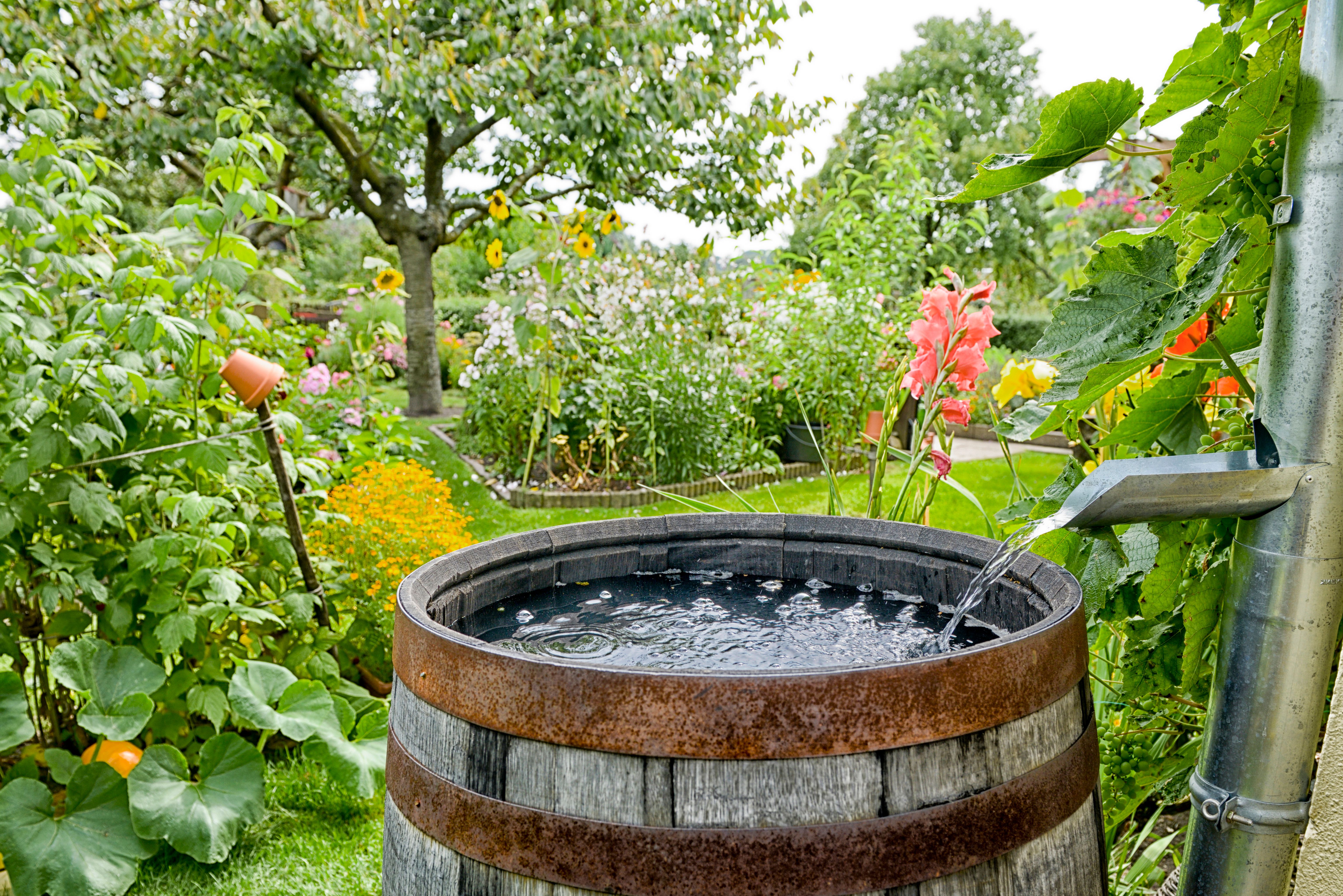
Myth 3: It Doesn't Look Aesthetically Pleasing
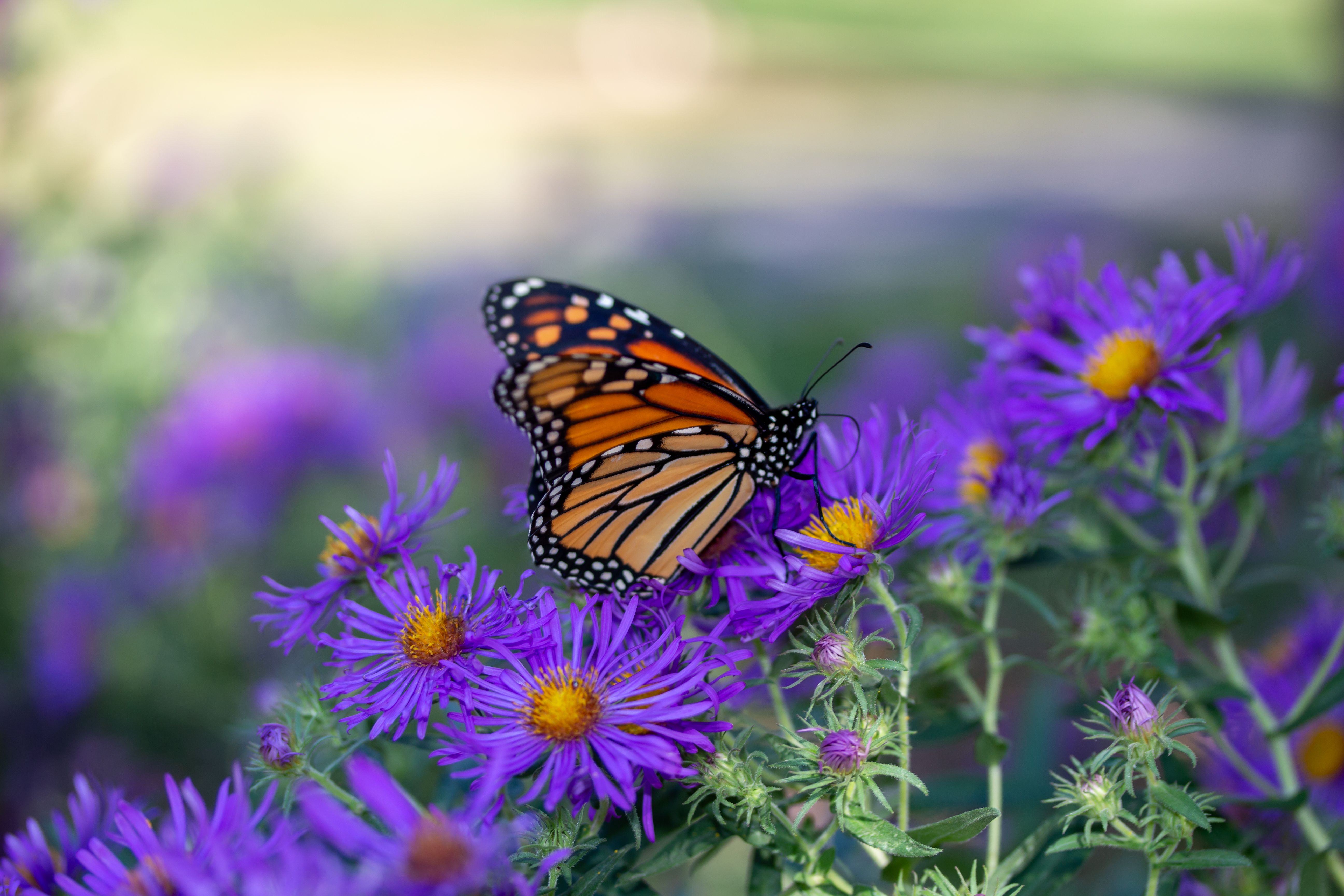
Another misconception is that eco-friendly landscapes are less attractive. In reality, sustainable landscapes can be just as beautiful, if not more so, than traditional ones. The use of diverse plant species and creative designs can enhance visual appeal while supporting local wildlife.
By incorporating elements like wildflower meadows or butterfly gardens, homeowners can create vibrant and dynamic landscapes that offer visual interest throughout the seasons.
Myth 4: It Requires Too Much Effort
Some people believe that maintaining an eco-friendly landscape is labor-intensive. However, these landscapes can actually reduce maintenance efforts in the long run. Native plants, for example, are adapted to local conditions and typically require less care than exotic species.
Sustainable landscapes are designed to work with nature, not against it. Once established, they often require minimal intervention, making them easier to manage over time.
Embracing Sustainable Practices
By debunking these myths, we hope to encourage more people to consider eco-friendly landscaping. It's not only about protecting the environment; it's also about creating a space that is both beautiful and functional.
As awareness grows, so does the potential for positive environmental impact. Embracing sustainable practices in landscaping can lead to healthier ecosystems and more resilient communities.