
Common Lawn Care Myths Debunked: What McLennan County Residents Should Know
Maintaining a lush, green lawn can be a source of pride for many homeowners in McLennan County. However, there are numerous myths surrounding lawn care that can lead you astray. Let's debunk some common misconceptions to help you achieve the lawn of your dreams.
Myth 1: Watering Every Day Is Essential
One of the most pervasive myths is that lawns need daily watering. In reality, overwatering can lead to shallow root growth and increased susceptibility to disease. Instead, aim for deep, infrequent watering. This encourages roots to grow deeper into the soil, making your lawn more resilient.
Experts recommend watering your lawn once or twice a week, providing about an inch of water each time. This approach keeps your lawn healthy while conserving water.

Myth 2: Shorter Grass Means Less Mowing
Many believe that cutting grass shorter means less frequent mowing. However, cutting your grass too short, a practice known as "scalping," can stress the lawn and make it more prone to weeds and pests.
It's best to follow the "one-third rule": never remove more than one-third of the grass blade at a time. This helps maintain a healthy lawn and reduces the risk of developing brown patches.

Myth 3: Fertilizer Is Just Food for Grass
Fertilizer is often thought of as food for grass, but its role is more about providing essential nutrients that might be lacking in the soil. Applying fertilizer correctly can make a significant difference in the health of your lawn.
Ensure you choose the right type of fertilizer and apply it at the right time. Over-fertilizing can harm your lawn, while under-fertilizing might not provide the desired results.
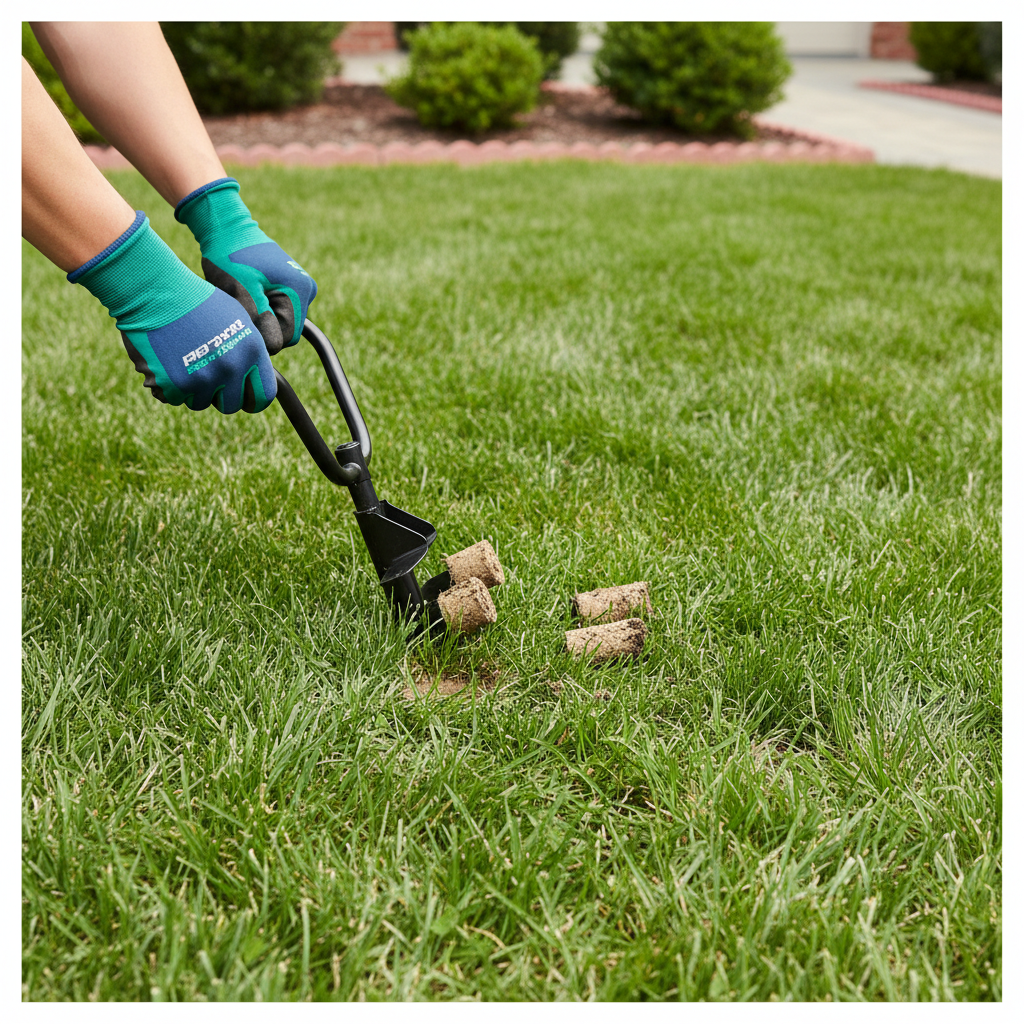
Myth 4: Dethatching and Aeration Are Unnecessary
Some homeowners skip dethatching and aeration, thinking they're unnecessary. However, these practices are crucial for maintaining a healthy lawn.
- Dethatching removes the layer of dead grass and roots that can suffocate your lawn.
- Aeration involves perforating the soil to allow air, water, and nutrients to penetrate the grass roots.
Myth 5: All Weeds Are Bad
While it's true that many weeds compete with grass for nutrients, not all weeds are harmful. Some can even benefit your lawn by improving soil health or attracting beneficial insects.
Understanding which weeds are problematic and which can coexist with your lawn can save you time and effort. Consider consulting with a local lawn care expert to identify the best approach for your yard.
By debunking these common lawn care myths, McLennan County residents can make informed decisions that lead to healthier, more beautiful lawns. Remember, proper lawn care is about balance and understanding the unique needs of your grass and soil.