
Case Study: Transforming a McLennan County Yard with Eco-Friendly Solutions
Introduction to the Project
In McLennan County, a local homeowner faced the challenge of transforming their yard into a more sustainable and eco-friendly space. This case study explores how eco-friendly solutions were applied to revamp the outdoor area, creating a beautiful and sustainable environment.
The homeowner's primary goal was to reduce water usage and encourage biodiversity while maintaining an appealing aesthetic. By collaborating with landscape design experts, they were able to implement a variety of green solutions.

Designing an Eco-Friendly Landscape
The first step in transforming the yard was to design a layout that prioritized sustainability. The team focused on integrating native plants that require less water and are better suited to the local climate. This decision not only conserved water but also supported local wildlife.
Additionally, the design included permeable pathways and rain gardens to manage stormwater runoff. These features help reduce erosion and improve water quality, further enhancing the sustainability of the space.
Choosing the Right Plants
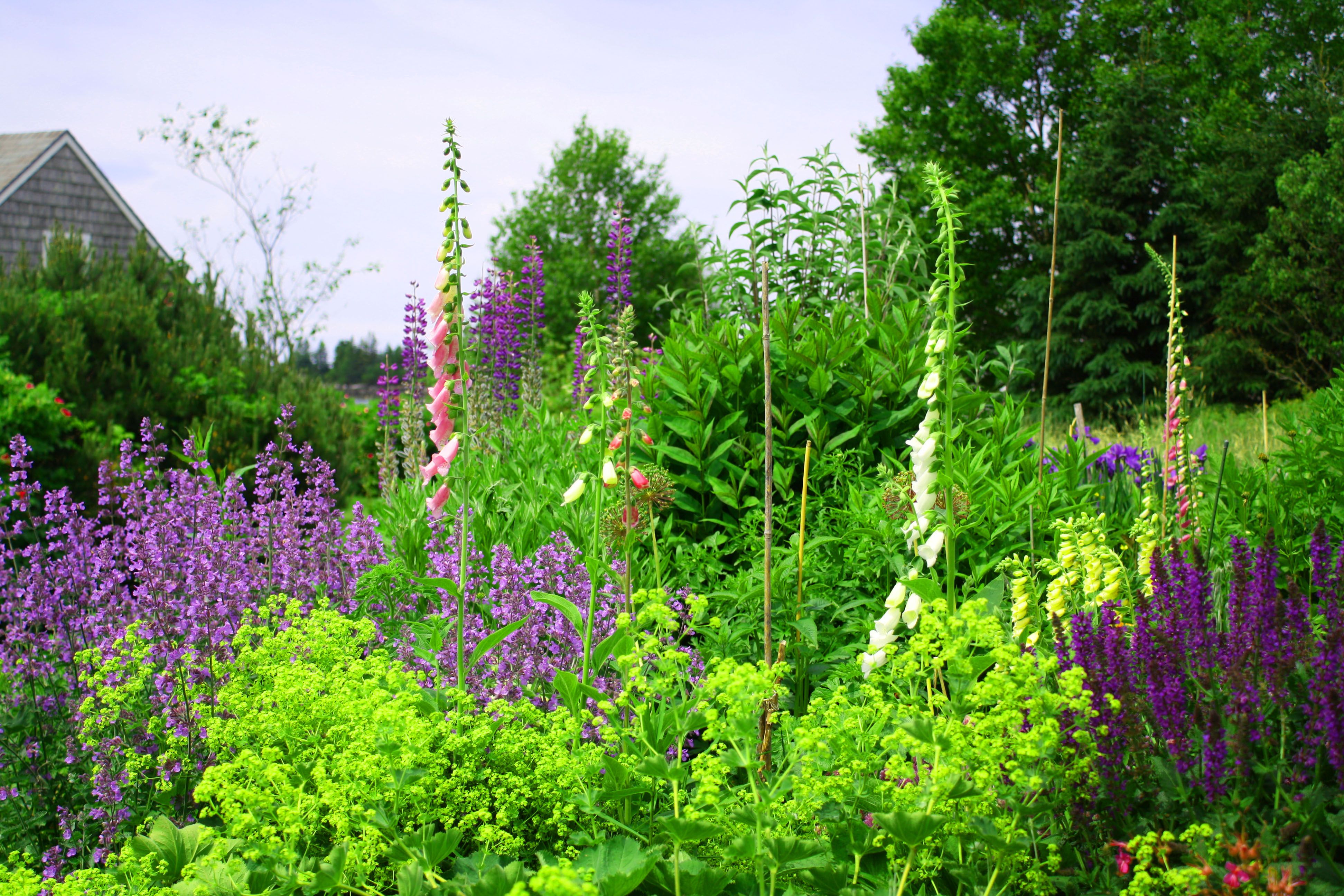
To maximize the environmental benefits, it was crucial to select plants that thrive in the region's climate. The team opted for a mix of drought-tolerant grasses, shrubs, and perennials. These plants are low-maintenance and help create a diverse ecosystem.
- Bluebonnets
- Mexican Feather Grass
- Blackfoot Daisies
By choosing these species, the yard became a haven for pollinators such as bees and butterflies, promoting biodiversity and ecological balance.
Implementing Water-Saving Techniques
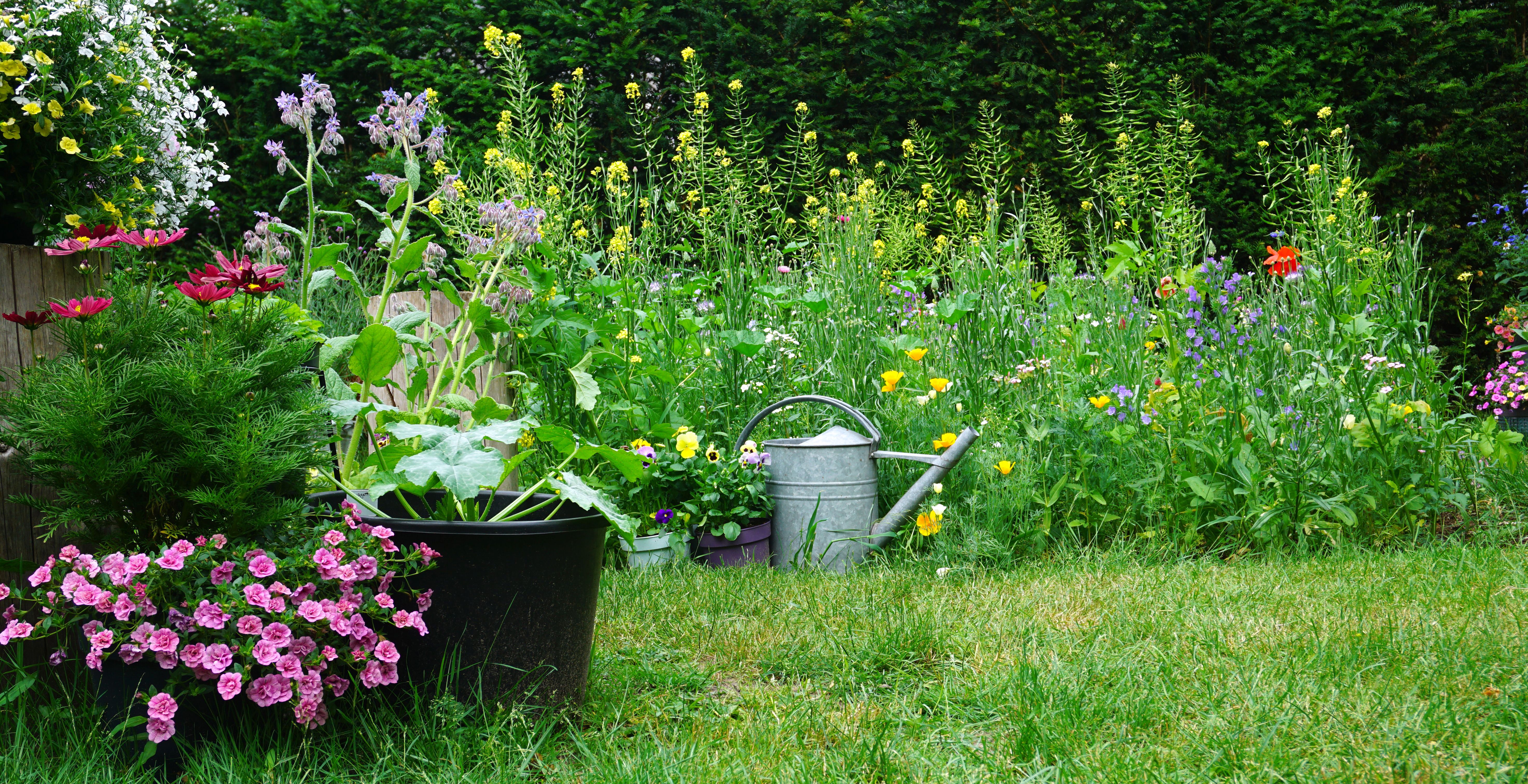
Water conservation was a key focus for the project. The team installed a drip irrigation system, which efficiently delivers water directly to the root zones of plants, minimizing evaporation and waste.
Furthermore, rain barrels were placed strategically around the yard to collect rainwater. This harvested water is then used to irrigate the garden, significantly reducing reliance on municipal water supplies.
Achieving Energy Efficiency
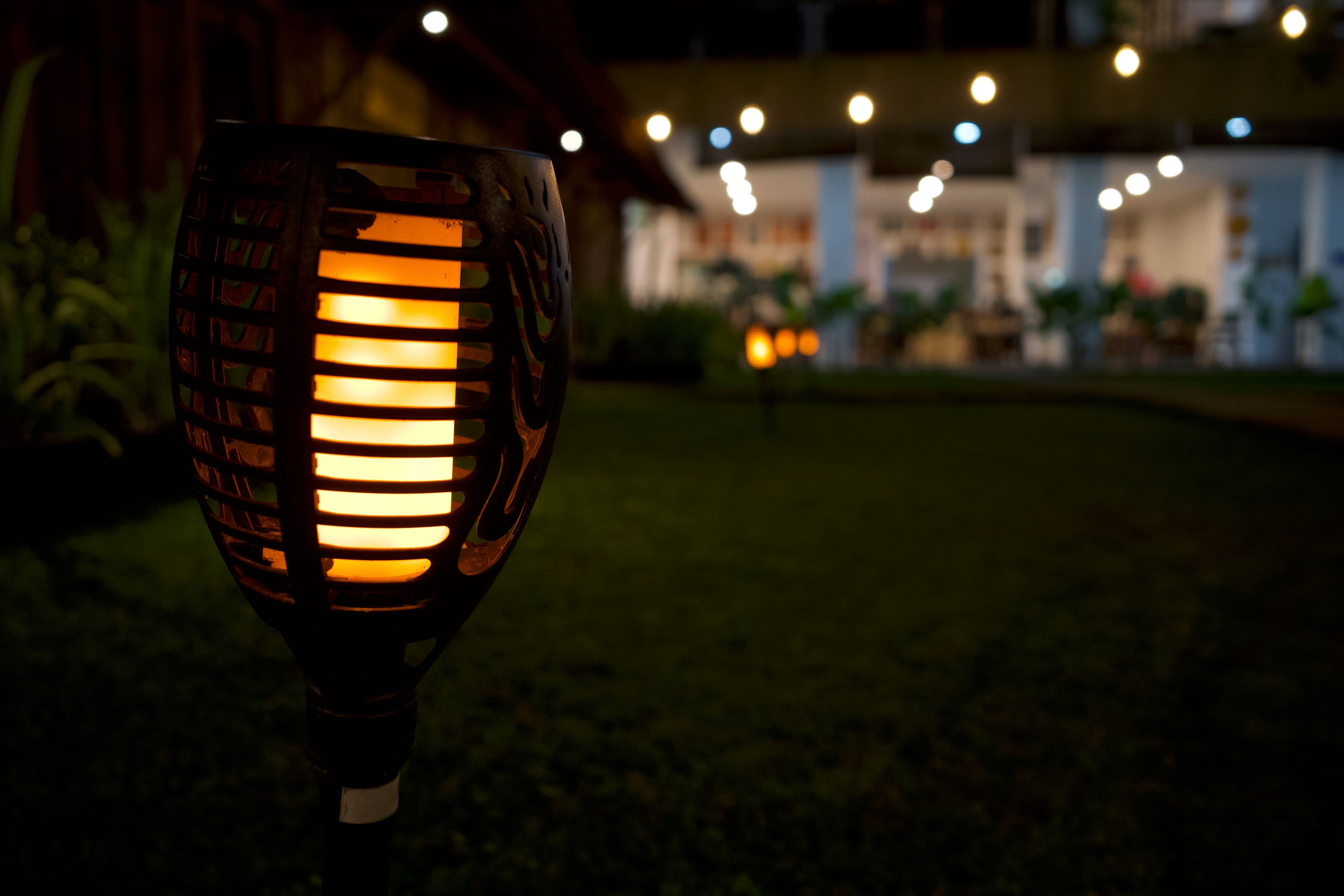
In addition to water-saving measures, the project also incorporated energy-efficient lighting solutions. Solar-powered lights were installed along pathways and around the garden to provide illumination without increasing energy consumption.
These lights are not only eco-friendly but also enhance the beauty and safety of the outdoor space during nighttime.
Conclusion: A Sustainable Success
The transformation of this McLennan County yard showcases how eco-friendly solutions can create an attractive and sustainable outdoor space. By focusing on native plants, water conservation, and energy efficiency, the project achieved its goals of reducing environmental impact and fostering a thriving ecosystem.
This case study serves as an inspiration for others looking to make their outdoor spaces more sustainable, proving that with the right strategies, environmental stewardship and beauty can go hand in hand.